
The Entrepreneur Behind a Global Wellness Movement
Discover a Chinese medicine approach to perimenopause with Dr. Lorne Brown, exploring menopause as a “second spring,” hormonal changes, fertility, thyroid health, and conscious healing.
Discover a Chinese medicine approach to perimenopause with Dr. Lorne Brown, exploring menopause as a “second spring,” hormonal changes, fertility, thyroid health, and conscious healing.
Male fertility plays a role in up to half of all infertility cases, yet it is often overlooked. In this episode, Dr. Lorne Brown and reproductive urologist Dr. Mark Ratner explore sperm health, semen analysis, DNA fragmentation, lifestyle factors, supplements, and evidence-based strategies to improve male fertility and support successful conception and IVF outcomes.
In Episode 165, Dr. Lorne Brown and board-certified urologist Dr. Mark Ratner explain why the name changed, how insulin resistance drives hormone imbalance and fertility challenges, and what evidence-based lifestyle, nutrition, and supplement strategies can help improve both reproductive and long-term metabolic health. They also explore emerging research on the vaginal microbiome and why individualized, holistic care is essential for women living with PMOS.
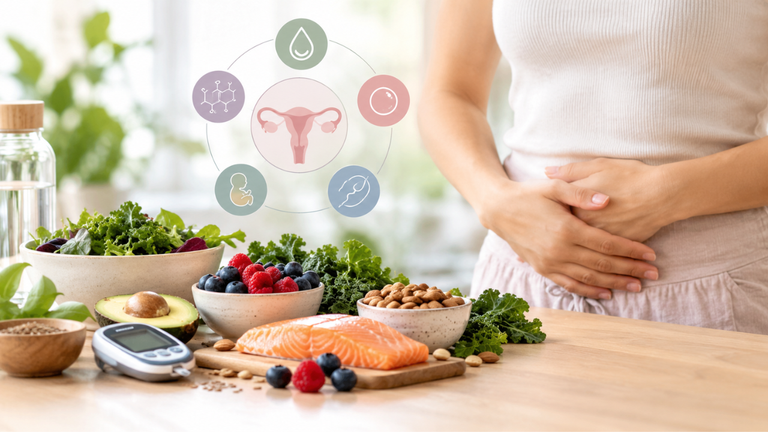
Insulin doesn’t just regulate blood sugar — it also shapes egg and sperm quality, ovulation, and implantation. Discover how insulin resistance quietly affects fertility, and how it can be reversed with the right integrative care.
PCOS has officially been renamed PMOS (Polyendocrine Metabolic Ovarian Syndrome), reflecting what researchers have long recognized—this condition affects far more than the ovaries.
In Episode 165, Dr. Lorne Brown and board-certified urologist Dr. Mark Ratner explain why the name changed, how insulin resistance drives hormone imbalance and fertility challenges, and what evidence-based lifestyle, nutrition, and supplement strategies can help improve both reproductive and long-term metabolic health. They also explore emerging research on the vaginal microbiome and why individualized, holistic care is essential for women living with PMOS.

Trying to conceive can be physically and emotionally challenging. Learn how fertility acupuncture at Acubalance in Vancouver supports natural conception and IVF by improving blood flow, regulating hormones, reducing stress, and promoting overall reproductive health through personalized Traditional Chinese Medicine.
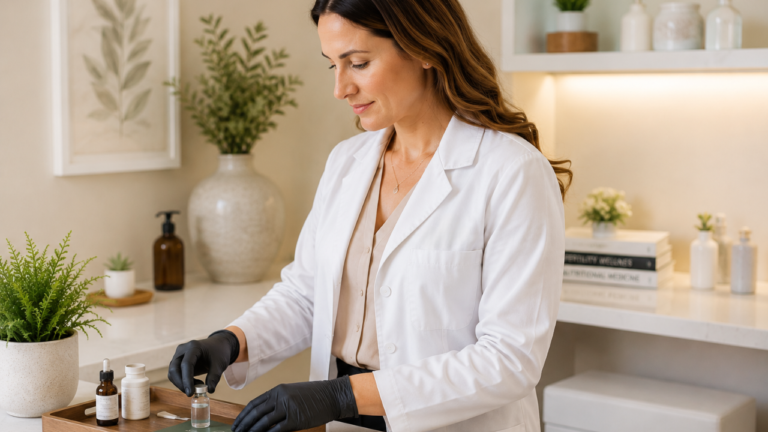
Could NAD⁺ support better egg quality before IVF? In this article, we explore how mitochondrial health influences egg development, embryo quality, and implantation, plus what a new 2025 study suggests about weekly NAD⁺ therapy for women with diminished ovarian reserve. Learn how Acubalance integrates NAD⁺ IM injections, acupuncture, photobiomodulation, and targeted supplements into a 100-day fertility optimization plan before egg retrieval.

Struggling to conceive involves more than the body — your mindset matters too. Discover the science-backed connection between stress, mindfulness, and fertility, and learn practical tools to build resilience, calm your nervous system, and take back a sense of control on your journey to parenthood.
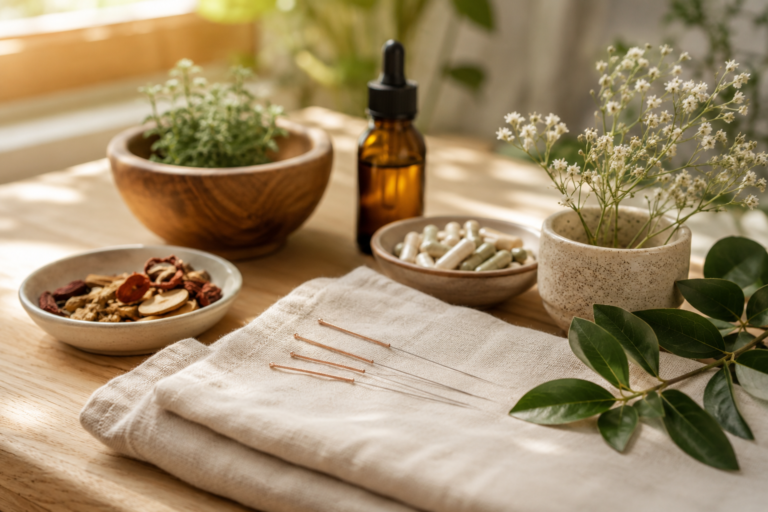
Wondering if you can get pregnant with PCOS? The answer is yes. Learn how acupuncture, Traditional Chinese Medicine, nutrition, and lifestyle changes can support ovulation, improve reproductive health, and increase your chances of conception through an evidence-informed, holistic approach.
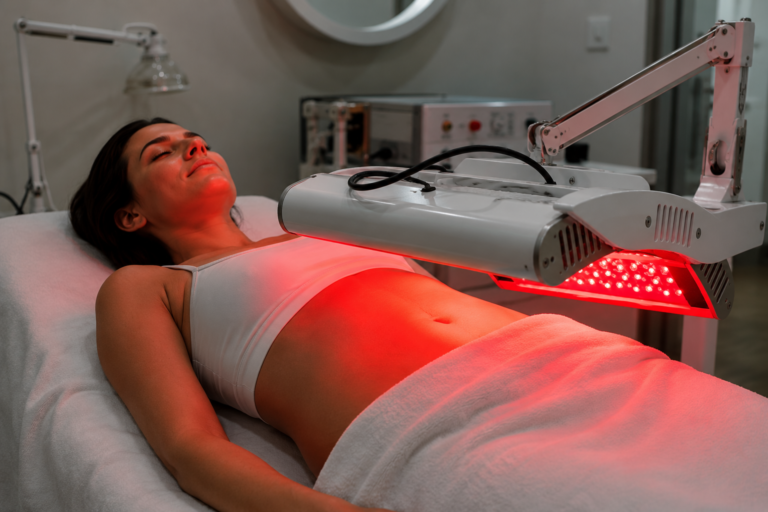
Mitochondrial energy is at the heart of egg quality, embryo development, and successful implantation. At Acubalance Wellness Centre, we integrate Low-Level Laser Therapy (LLLT) — also known as photobiomodulation — with Traditional Chinese Medicine to support your reproductive health from the cellular level up. Explore how this non-invasive, light-based therapy may enhance your natural conception or IVF journey.
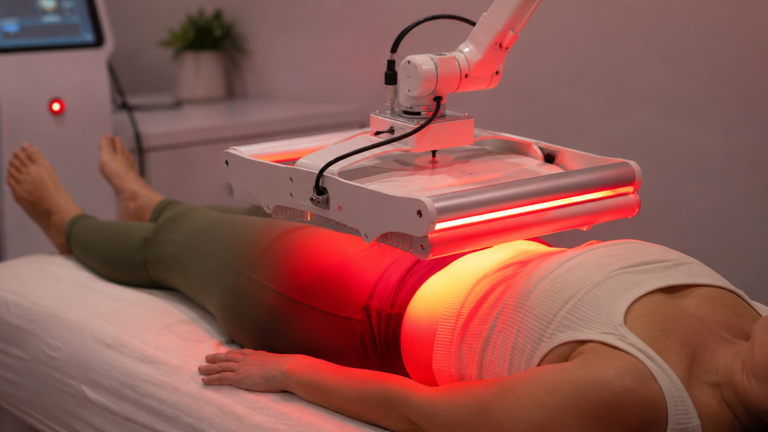
Could hidden inflammation be affecting your fertility without you knowing it? Learn how silent inflammation may impact egg quality, ovulation, implantation, and reproductive health, and discover how low-level laser therapy (photobiomodulation) may help reduce inflammation and support fertility naturally.
End of content
End of content