
Beetroot, Watermelon and Ginger Juice for IVF Implantation: What Does the Research Say?
Could a simple juice help support embryo implantation after IVF?
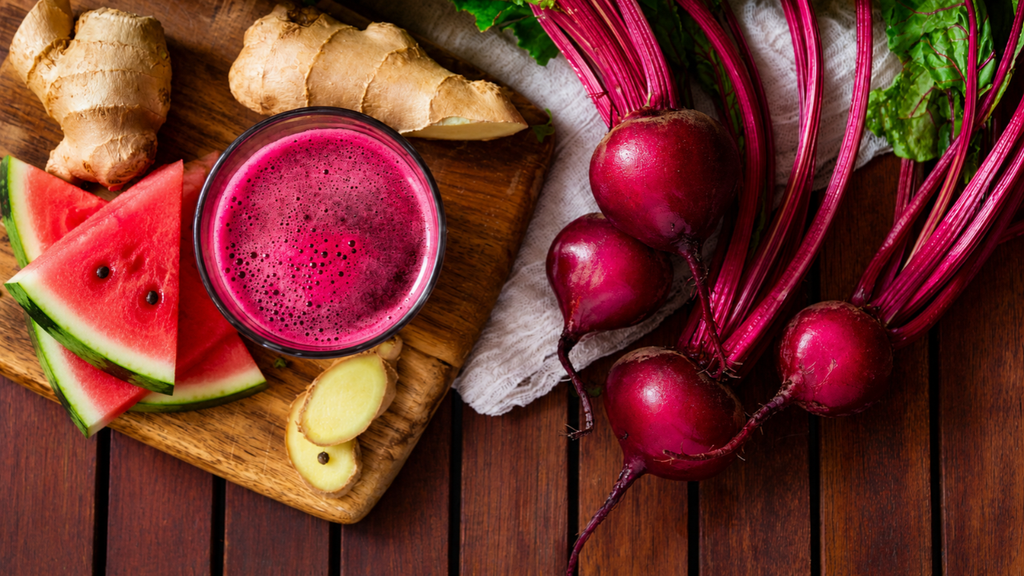
A 2023 study published in JBRA Assisted Reproduction found encouraging results among women who drank beetroot, watermelon and ginger juice daily from embryo transfer day until their pregnancy test.
What Did the Study Find?
The researchers reported:
• Clinical pregnancy rates: 41% in the juice group compared with 22% in the control group.
• Implantation rates: 25.2% compared with 20.5%.
These findings are promising, although more research is needed to confirm the benefits and whether they translate into higher live birth rates.
→ Read the published study
Why These Three Ingredients?
The combination may help support circulation, nitric oxide production and a healthy uterine environment.
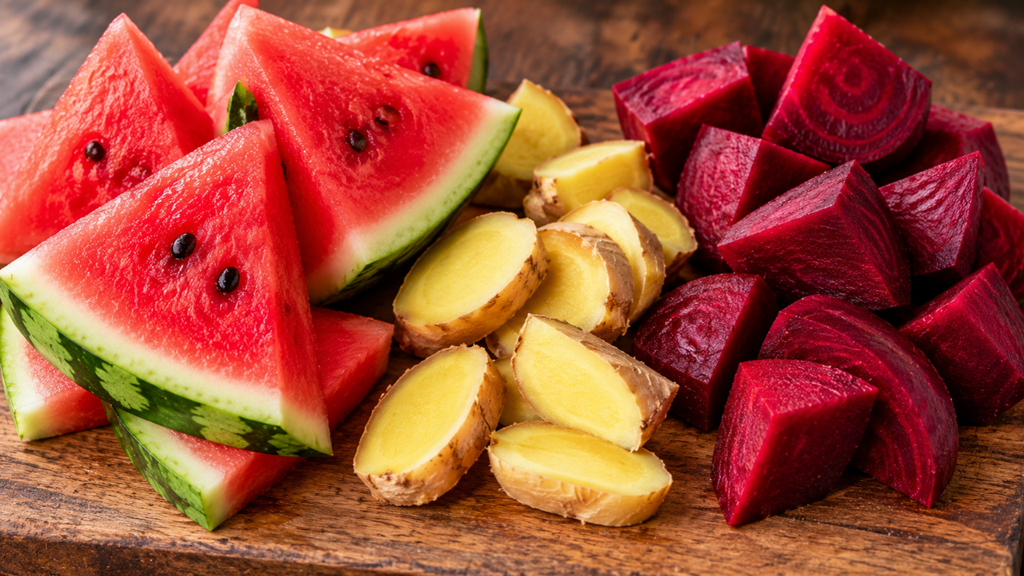
🌱 Beetroot: Rich in dietary nitrates that the body converts into nitric oxide, helping blood vessels relax and supporting healthy blood flow.
🍉 Watermelon: Contains L-citrulline, which supports nitric oxide production, along with the antioxidant lycopene.
🫚 Ginger: Contains antioxidant and anti-inflammatory compounds that may help support a healthy inflammatory response.
Nitric oxide is particularly interesting because it helps regulate circulation, which is important for healthy endometrial function and embryo implantation.
Beetroot, Watermelon and Ginger Fertility Juice Recipe
Ingredients:
• 1 medium raw beet, washed, peeled and chopped
• ½ cup fresh watermelon, cubed
• 1 teaspoon fresh minced ginger
• ½ cup water or coconut water
Instructions:
1. Wash, peel and chop the ingredients.
2. Add everything to a blender and blend until smooth.
3. Add water as needed. Drink as a smoothie to retain the fibre, or strain if you prefer juice.
This homemade recipe uses the ingredients studied, although the researchers did not specify exact ingredient quantities.
The Acubalance Modification: Supporting Balanced Blood Sugar
For patients with insulin resistance or PMOS (formerly PCOS), we suggest a few simple modifications:
• Use plain water instead of coconut water.
• Keep the fibre by blending rather than straining.
• Optionally add ½ serving of plain, unsweetened protein powder and 1 teaspoon of chia seeds.
Adding protein and retaining fibre may help support more balanced blood sugar. These modifications have not been studied specifically for embryo implantation.
Beyond Nutrition: Acupuncture and Low Level Laser Therapy
One reason we’re interested in this juice is its potential to support nitric oxide production and healthy blood flow, mechanisms also explored in acupuncture and low level laser therapy.
At Acubalance, we combine nutrition with integrative fertility treatments that may support the reproductive environment:
• Acupuncture:
Can support uterine circulation, help regulate the nervous system and reduce stress. Some IVF studies have reported higher clinical pregnancy rates with acupuncture.
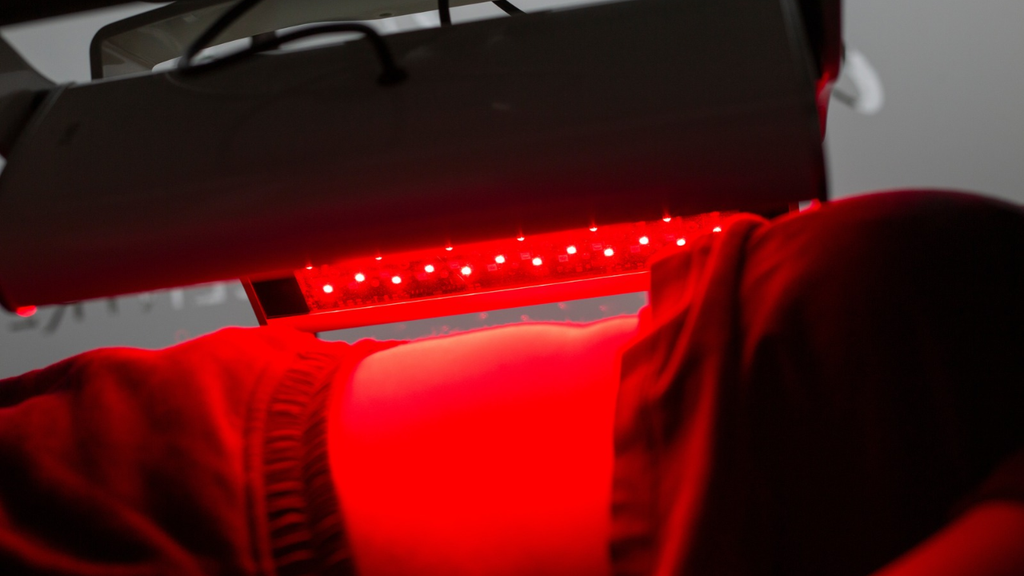
• Low Level Laser Therapy (LLLT), also called Photobiomodulation:
Research suggests that specific wavelengths of red and near infrared light can increase nitric oxide availability, support microcirculation and modulate inflammation.
• NAD⁺ Intramuscular (IM) Injections:
NAD⁺ plays an important role in mitochondrial energy production and cellular repair. At Acubalance, we offer weekly NAD⁺ injections leading up to egg retrieval as part of individualized fertility care. Early IVF research suggests potential benefits for egg and embryo quality, although human evidence remains preliminary. Learn more about NAD⁺ injections for IVF.
These approaches share an interesting focus on circulation and cellular function.
When Do We Recommend the Juice and Acupuncture?
In the juice study, participants began drinking the juice on embryo transfer day and continued daily until their pregnancy test.
At Acubalance, we invite you to consider this simple nutritional addition alongside individualized acupuncture support:
• Leading up to embryo transfer: Acupuncture to support circulation, relaxation and preparation for your transfer.
• On embryo transfer day: Acupuncture before and after transfer, with low level laser therapy.
• During the two week wait: Continued acupuncture for relaxation, stress regulation, blood flow and overall wellbeing, along with the daily juice.
Our goal is to support your body throughout the IVF process, while complementing the care provided by your fertility clinic.
Supporting Your IVF Journey at Acubalance
No single juice or treatment can guarantee implantation. However, nutrition, healthy circulation and nervous system regulation are all worthwhile considerations when preparing for pregnancy.
At Acubalance Wellness Centre in Vancouver, we’ve been supporting fertility patients since 2000, including onsite embryo transfer acupuncture currently available at Olive Fertility Centre.
Preparing for an embryo transfer?
→ Book your fertility acupuncture consultation
Research and References
- Halpern G, et al. (2023). Beetroot, watermelon and ginger juice supplementation may increase the clinical outcomes of Intracytoplasmic Sperm Injection cycles. JBRA Assisted Reproduction. Full study.
- Acupuncture as an adjunctive therapy on embryo transfer day: A systematic review and meta-analysis (2025). PubMed.
- Kashiwagi S, et al. (2023). Photobiomodulation and nitric oxide signaling. Nitric Oxide. Full review.
- Low-Level Laser Therapy for Improvement of In Vitro Fertilization Outcomes in Patients with Recurrent Implantation Failure: A Randomized Clinical Trial (2024). PubMed.