
Endometriosis and the Nervous System: What Pain Tells Us About Hormonal Imbalance
Endometriosis affects far more than just the pelvis. For many women, the pain is not simply about tissue growing where it should not. It is about how the body’s nervous system, immune system, and hormones become intertwined.
At Acubalance Wellness Centre in Vancouver, we see firsthand how endometriosis pain is more than a symptom. It is a message. Pain can tell us that the nervous system is on high alert and that hormonal balance may be disrupted. Understanding this connection can open the door to new ways of reducing pain and improving fertility.
Pain Is a Message From the Nervous System
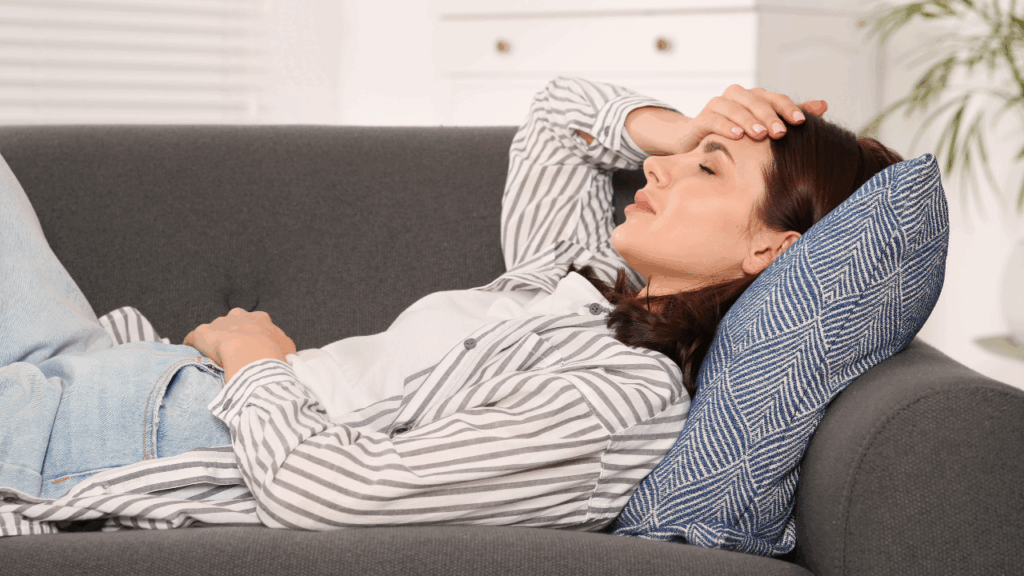
Pain is the body’s alarm system. It is designed to protect us by signaling when something is wrong. But with endometriosis, that alarm can become oversensitive.
Here is what happens:
• Sensitization of nerves: The pelvic nerves that normally send pain signals become hyperactive. They can start firing even with minor or normal stimuli.
• Central sensitization: Over time, the brain itself becomes more responsive to pain signals. This can make pain feel more intense and widespread.
• Stress and tension: The constant presence of pain activates the stress response, which can keep the nervous system in a state of “fight or flight.”
For many women, this means that pain is not only linked to the physical lesions of endometriosis. It is also a sign that the nervous system is “stuck” in an overactive state.
Learn more: Acupuncture and Laser Therapy for Endometriosis
The Hormonal Side of Pain
Pain and hormones are not separate. They are deeply connected through the hypothalamic-pituitary-ovarian (HPO) axis, the system that links the brain to the ovaries. When pain and stress are chronic, they can interfere with this feedback loop.
This disruption can show up as:
• Changes in ovulation
• Lower progesterone production
• Irregular menstrual cycles
• A uterine lining that is less receptive to implantation
So when women describe severe or ongoing pain with endometriosis, it often tells us that hormones may also be out of balance. Pain is not just a symptom to suppress. It is a sign that the nervous and endocrine systems need support.
Inflammation, Nerves, and Hormones
Inflammation is at the heart of endometriosis. The lesions themselves release inflammatory molecules such as prostaglandins, TNF-α, and IL-6. These chemical messengers are powerful, and they do several things at once:
• They activate nerves, creating pain signals.
• They stimulate the stress response, keeping the nervous system on high alert.
• They influence hormones, particularly estrogen and progesterone, creating further imbalance.
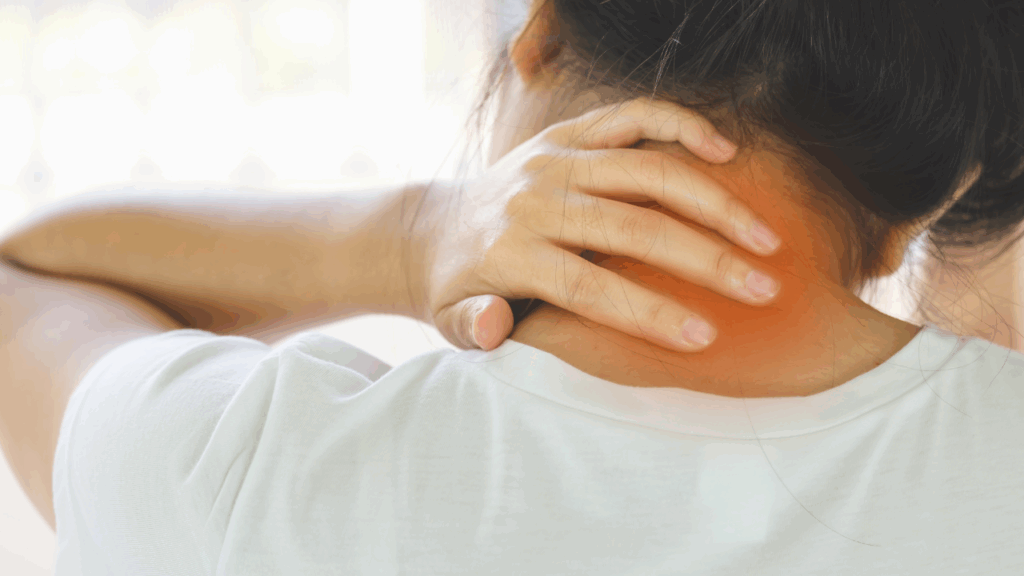
This creates a cycle. Inflammation fuels pain, pain stresses the nervous system, and stress and hormonal imbalance worsen inflammation. It is a loop that can be difficult to break without addressing all of these systems together (Bulun et al., 2019).
Learn more: Hormonal Imbalances
Breaking the Pain–Hormone Cycle
At Acubalance, our approach is to calm the nervous system, regulate inflammation, and support hormone balance all at once. By doing so, we can help reduce pain and create a healthier environment for fertility.
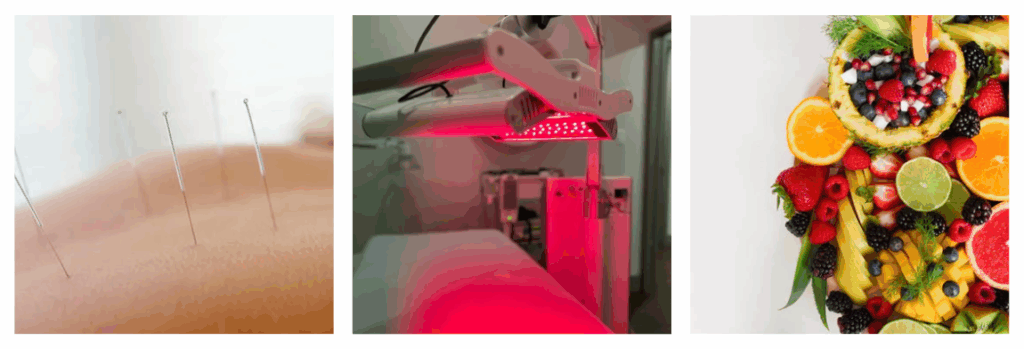
Acupuncture
Acupuncture is one of the most researched natural therapies for endometriosis pain. It works in several ways:
• Encourages the release of endorphins, the body’s natural pain relievers.
• Helps regulate the HPO axis, supporting balanced hormone signaling (Stener-Victorin & Humaidan, 2006).
• Improves blood flow in the pelvis, which can reduce local inflammation.
• Calms the overactive stress response, giving the nervous system a chance to reset.
Many women report that acupuncture sessions are often the first time they feel their body relax in months. That relaxation itself is part of the therapeutic effect.
─────────────────────────────────
Low Level Laser Therapy (PBM)
Low level laser therapy, also called photobiomodulation (PBM), is another tool we use to support women with endometriosis. While it does not cure the condition, research suggests it can help regulate the inflammation and pain cycle.
PBM works by:
• Supporting mitochondria (the energy centers of cells) to reduce oxidative stress.
• Reducing pro-inflammatory chemicals that drive pain and tissue irritation.
• Improving microcirculation in the pelvis, bringing oxygen and nutrients while helping clear inflammatory byproducts (Hamblin, 2017).
By calming inflammation at the cellular level, PBM can help reduce nerve activation and support a more balanced hormonal environment.
Learn more: LLL Therapy at Acubalance
─────────────────────────────────
Nutrition and Lifestyle Support
Food and daily habits play an important role in both inflammation and nervous system health. At Acubalance, we often recommend:
• Anti-inflammatory nutrition: Reducing processed foods and focusing on whole, nutrient-dense meals.
• Movement: Gentle exercise, yoga, or walking to improve circulation without aggravating pain.
• Sleep and stress regulation: Supporting the body’s natural repair processes.
Small daily changes, when combined with therapies like acupuncture and PBM, can make a noticeable difference over time.
Why This Matters for Fertility
For women trying to conceive, pain from endometriosis is more than discomfort. It is a signal that the nervous and hormonal systems are under strain.
This can affect:
• The health and quality of eggs.
• The balance of estrogen and progesterone needed for implantation.
• The receptivity of the uterine lining.
By calming the nervous system and regulating inflammation, we are not only helping to reduce pain but also creating a more supportive environment for conception.
Final Thoughts
Endometriosis pain is not just “in your head,” and it is not something you should have to endure without answers. It is your body’s way of telling you that the nervous system and hormones are out of balance.
At Acubalance in Vancouver, our goal is to listen to what pain is telling you and to provide safe, integrative approaches that help regulate the nervous system, calm inflammation, and restore hormonal balance.
📞 Call 604-678-8600 or book a consultation online to learn more about our integrative approach to endometriosis and fertility.
Related Blogs
• Combining Laser Acupuncture (LLLT) For Fertility With Assisted Reproductive Technology
• 7 Benefits of Laser for Fertility
References
• Bulun, S. E., Yilmaz, B. D., Sison, C., Miyazaki, K., Bernardi, L., Liu, S., & Kohlmeier, A. (2019). Endometriosis. Endocrine Reviews, 40(4), 1048–1079. Endometriosis
• Facchin, F., Barbara, G., Saita, E., Mosconi, P., Roberto, A., Fedele, L., & Vercellini, P. (2015). Impact of endometriosis on quality of life and mental health: Pelvic pain makes the difference. Journal of Psychosomatic Obstetrics & Gynecology, 36(4), 135–141. Impact of endometriosis on quality of life and mental health: pelvic pain makes the difference
• Hamblin, M. R. (2017). Mechanisms and applications of the anti-inflammatory effects of photobiomodulation. AIMS Biophysics, 4(3), 337–361. Mechanisms and applications of the anti-inflammatory effects of photobiomodulation
• Stener-Victorin, E., & Humaidan, P. (2006). Use of acupuncture in female infertility and a summary of recent acupuncture studies related to embryo transfer. Acupuncture in Medicine, 24(4), 157–163. https://doi.org/10.1136/aim.24.4.157