From Chaos to Calm: Strategies for Balancing Hormones During Menopause
Understanding Hormone Imbalance: A Deeper Dive into Menopause
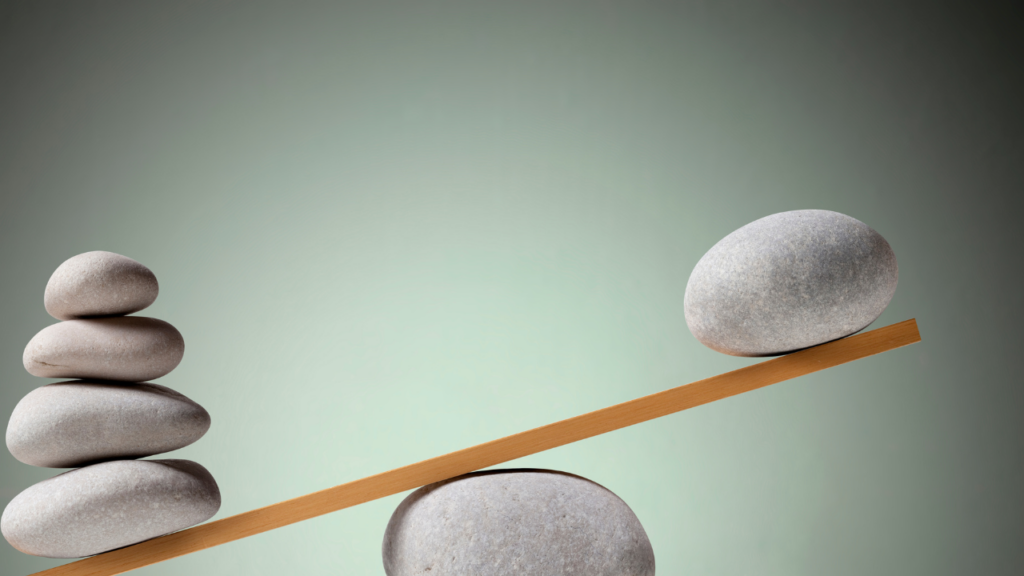
When we talk about hormones, it’s easy to think of them as invisible forces causing chaos when they’re out of balance. But what does hormone imbalance really mean, and how does it affect women, especially during menopause? Let’s explore this in a relatable way that goes beyond just listing symptoms.
What Is Hormone Imbalance?
Imagine your body as a well-organized orchestra. In this orchestra, hormones are the musicians playing different instruments, each delivering a crucial part of the symphony that keeps your body functioning smoothly. Hormones are chemical messengers made by glands in your body, and they travel through your bloodstream to deliver instructions to your organs and tissues. They regulate things like your mood, energy, sleep, metabolism, and even body temperature.
When your hormones are in balance, it’s like the orchestra performing a beautiful and harmonious piece of music. Everything works well together, and you feel calm, energized, and stable. You sleep well, handle stress, and have a steady mood. Your body temperature stays comfortable, and your mind is clear.
But when your hormones are imbalanced, it’s as if some of the musicians are playing too loudly or too softly, or perhaps they’ve even forgotten their parts. The harmony is lost, and the music becomes chaotic. Hormones can be too high or too low, causing mixed-up signals throughout your body. You might feel overly tired, anxious, foggy-headed, or irritable. Physical discomforts like hot flashes, night sweats, and aching joints may also arise.
Hormone Balance vs. Hormone Imbalance for Menopausal Women
→ Hormone Balance
For a menopausal woman whose hormones are balanced, think of a steady, calm flame on a candle. The flame provides gentle and consistent warmth and light, symbolizing a body where estrogen, progesterone, and other hormones work well together. Even though hormone levels naturally decline with age, she feels grounded. Her body functions smoothly, she can handle stress, sleep peacefully, and maintain energy throughout the day. Her emotions stay relatively even, and her body feels strong.
→ Hormone Imbalance
Now imagine a candle flame that sputters and flickers, sometimes burning too hot, other times nearly going out. This represents hormone imbalance. In menopause, estrogen and progesterone often get out of sync. If estrogen drops too low, she might feel waves of intense heat—those infamous hot flashes—or experience emotional turbulence and irritability. If cortisol, a stress hormone, rises because of poor sleep or anxiety, it can leave her feeling completely drained. Hormone imbalance during menopause affects the whole body, making it feel like everything is out of rhythm.
Hormonal imbalance is not just a series of separate symptoms but a disruption of the body’s ability to maintain harmony and balance.
How to Get Hormones Back in Balance
So, how does one restore balance in the body and get that one instrument back in sync with the orchestra? Here are some strategies for menopausal women:
1. Lifestyle Adjustments
Just as a musician practices to improve, making lifestyle changes can help rebalance hormones:
Diet: Eating a nutrient-rich diet is essential. Foods like leafy greens, fatty fish, nuts, seeds, and whole grains support hormone production. Minimizing sugar, processed foods, and caffeine can help regulate blood sugar and cortisol levels, reducing stress on the body. Download a copy of anti-inflammatory longevity diet book and recipes.
Exercise: Regular movement, such as yoga, walking, or strength training, can help balance hormones by reducing stress, improving metabolism, and boosting endorphins.
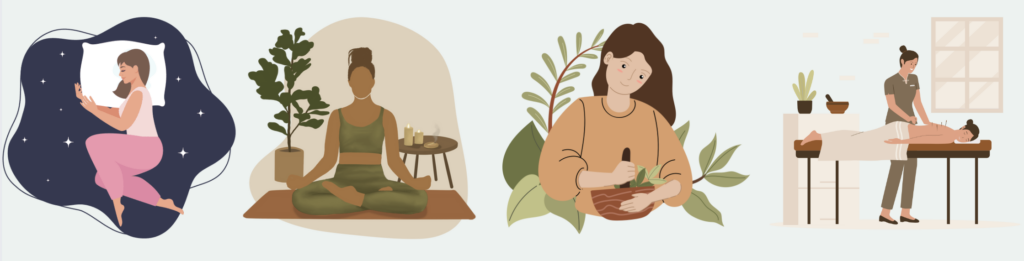
Sleep Hygiene: Prioritizing sleep by sticking to a schedule, limiting screen time before bed, and creating a calming bedtime routine can help regulate cortisol and promote overall hormonal balance.
2. Stress Management
Since stress hormones like cortisol can worsen hormonal imbalances, managing stress is crucial:
Mind-Body Practices: Techniques like meditation, deep breathing, and tai chi can calm the nervous system and lower cortisol levels, bringing more balance to the hormonal orchestra.
Yoga: This practice combines physical movement, deep breathing, and mindfulness, helping to reduce stress and improve flexibility and strength.
Guided Meditations and Hypnosis: These tools can help quiet the mind, reduce anxiety, and create a sense of calm, enhancing emotional stability and improving sleep.
Autonomic Nervous System Reset: Practices like deep diaphragmatic breathing, cold water immersion, or vagus nerve stimulation can help shift the body from a stress response (sympathetic dominance) to a state of relaxation and healing (parasympathetic mode).
3. Herbal Medicine and Supplements
Just as you might fine-tune an instrument, herbal remedies can support hormone balance:
Adaptogens: Herbs like ashwagandha and rhodiola can help balance stress hormones and improve the body’s resilience to stress.
Chinese Herbal Formulas: Customized herbal blends can address specific menopausal symptoms, such as hot flashes, night sweats, and mood swings, by nourishing Yin energy and supporting organ systems.
Phytoestrogens: Plant-based compounds found in foods like flaxseeds and soy can help stabilize estrogen levels and ease hormonal fluctuations.
Calcium and Vitamin D: These are crucial for bone health during menopause, as declining estrogen levels can impact bone density.
4. Advanced Therapies for Hormonal Balance
For women seeking more comprehensive care, consider these advanced natural therapies:
Acupuncture: This traditional Chinese medicine practice involves inserting thin needles into specific points on the body to restore energy flow, or Qi. Acupuncture has been shown to regulate hormones, reduce hot flashes, improve sleep, and ease anxiety by balancing the body’s systems.
Low-Level Laser Therapy (LLLT): Also known as cold laser therapy, LLLT uses low-intensity light to promote cellular repair and reduce inflammation. It helps balance hormones by enhancing overall tissue health and engaging the parasympathetic nervous system, which reduces stress and improves cellular function.
Nutritional IV Therapy: This delivers essential vitamins and minerals directly into the bloodstream for maximum absorption, addressing deficiencies that may exacerbate menopausal symptoms. It supports energy levels, immune function, and overall hormonal health.
Menopause Hormone Therapy (MHT): Body identical hormones are identical to the hormones your body produces. For some women, bioidentical HRT can relieve severe menopausal symptoms. Always discuss with a healthcare provider to weigh the benefits and risks and tailor the treatment to your needs.
A Time of Transformation
Menopause is not just about managing symptoms; it is a profound period of transformation. As you move from your reproductive years and beyond, it is an opportunity to stand in your power and embrace this new chapter with grace and wisdom. In Classical Chinese Medicine (CM), menopause is seen as a time when the body’s energy, once focused on reproduction, begins to nourish the heart and Shen (spirit), fostering deeper insight and spiritual growth. This holistic view encourages you to see menopause as a gateway to enhanced vitality and inner peace.
For more on this perspective, read our full article: Menopause as Medicine: Finding Balance, Wisdom, and Peace inthe Transition Years.
Finding Your Rhythm Again
The journey through menopause is unique for every woman, but understanding that hormone imbalance is like an orchestra out of sync can be empowering. By making thoughtful changes and seeking support where needed, it’s possible to restore harmony and embrace this new chapter with vitality and balance.
Menopause doesn’t have to be a time of chaos. With the right strategies—whether through lifestyle adjustments, acupuncture, herbal medicine, LLLT, naturopathic care, or bioidentical HRT—you can turn down the noise and create a beautiful, harmonious melody for your life.
Resources:
- From Chaos to Calm: Strategies for Balancing Hormones During Menopause
- Menopause as Medicine: Finding Balance, Wisdom, and Peace in the Transition Years
- Managing Menopause Symptoms of Hot Flashes and Night Sweats Naturally
- Your Secret Weapon Against Menopause’s Toughest Symptoms
- Understanding Menopause and Its Impact on Weight Gain
- 5 Little-Known Tips to Balancing Hormones in Menopause
- Navigating Perimenopause and Menopause Naturally: Addressing Hormonal Imbalances, Weight Gain, and Hot Flashes in Vancouver
- From Chaos to Calm: Strategies for Balancing Hormones During Menopause
- 8 Surprising Benefits of Low-Level Laser Therapy for Hormone Balance
- Balancing Hormones with Dr. Lara Briden
- Rapamycin to Delay Menopause with the Egg Whisperer Dr. Aimee Eyvazzadeh